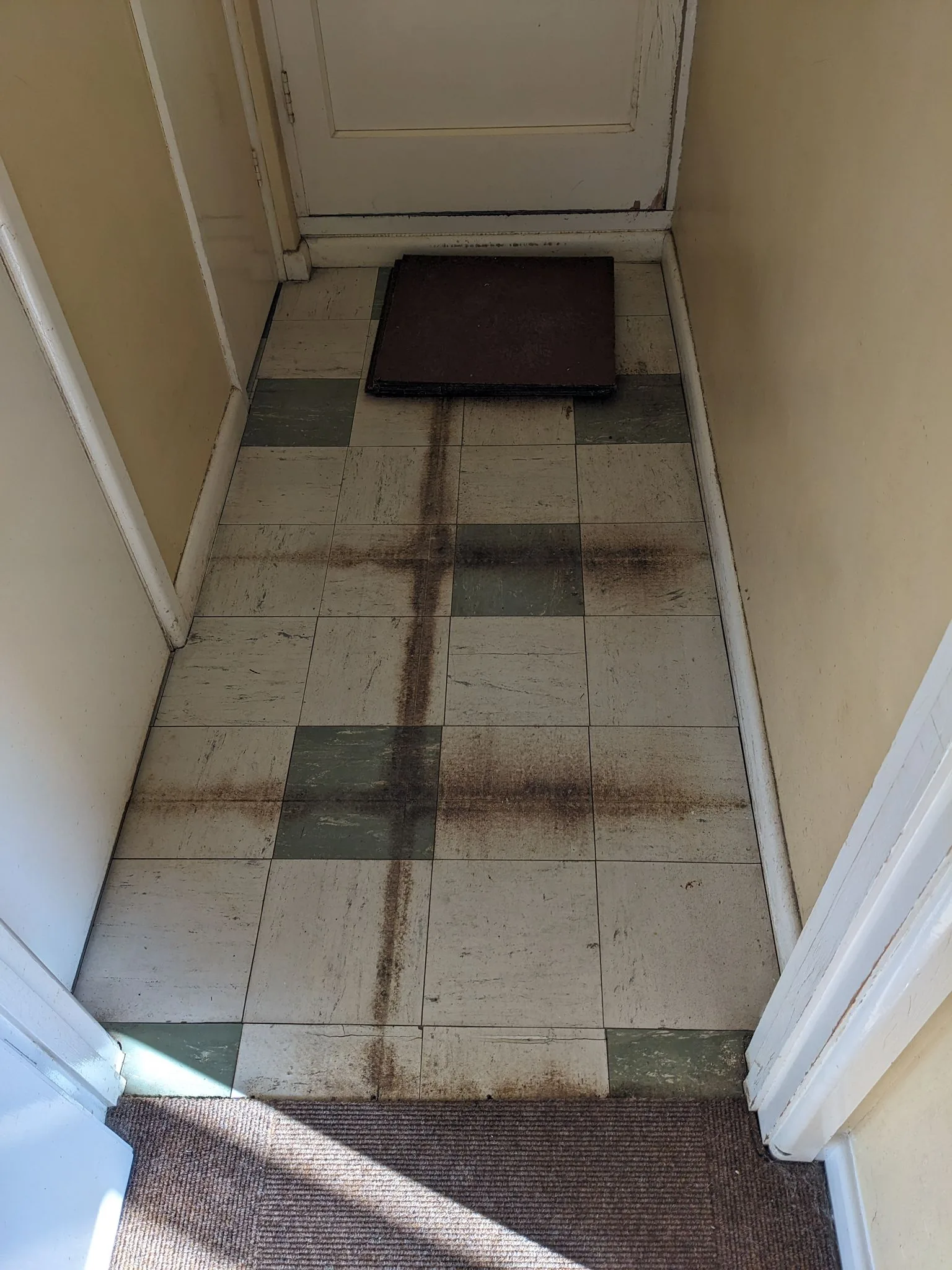
Asbestos Floor Tiles & Bitumen Adhesive Removal
Professional removal of asbestos vinyl tiles, thermoplastic tiles, and underlying bitumen adhesives. Encapsulation options available to minimise disruption and cost.

Types of Asbestos Floor Tiles and Identification
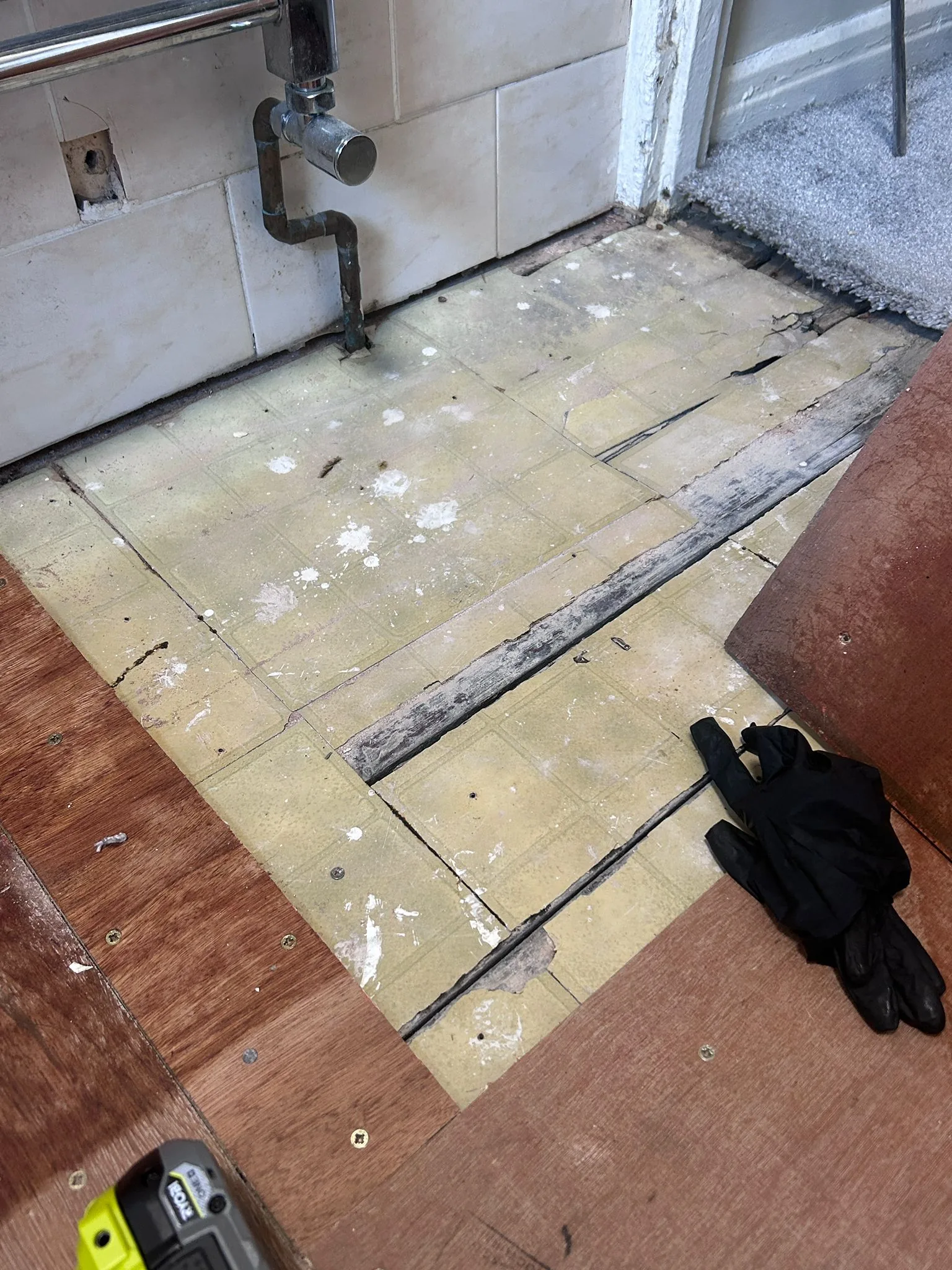
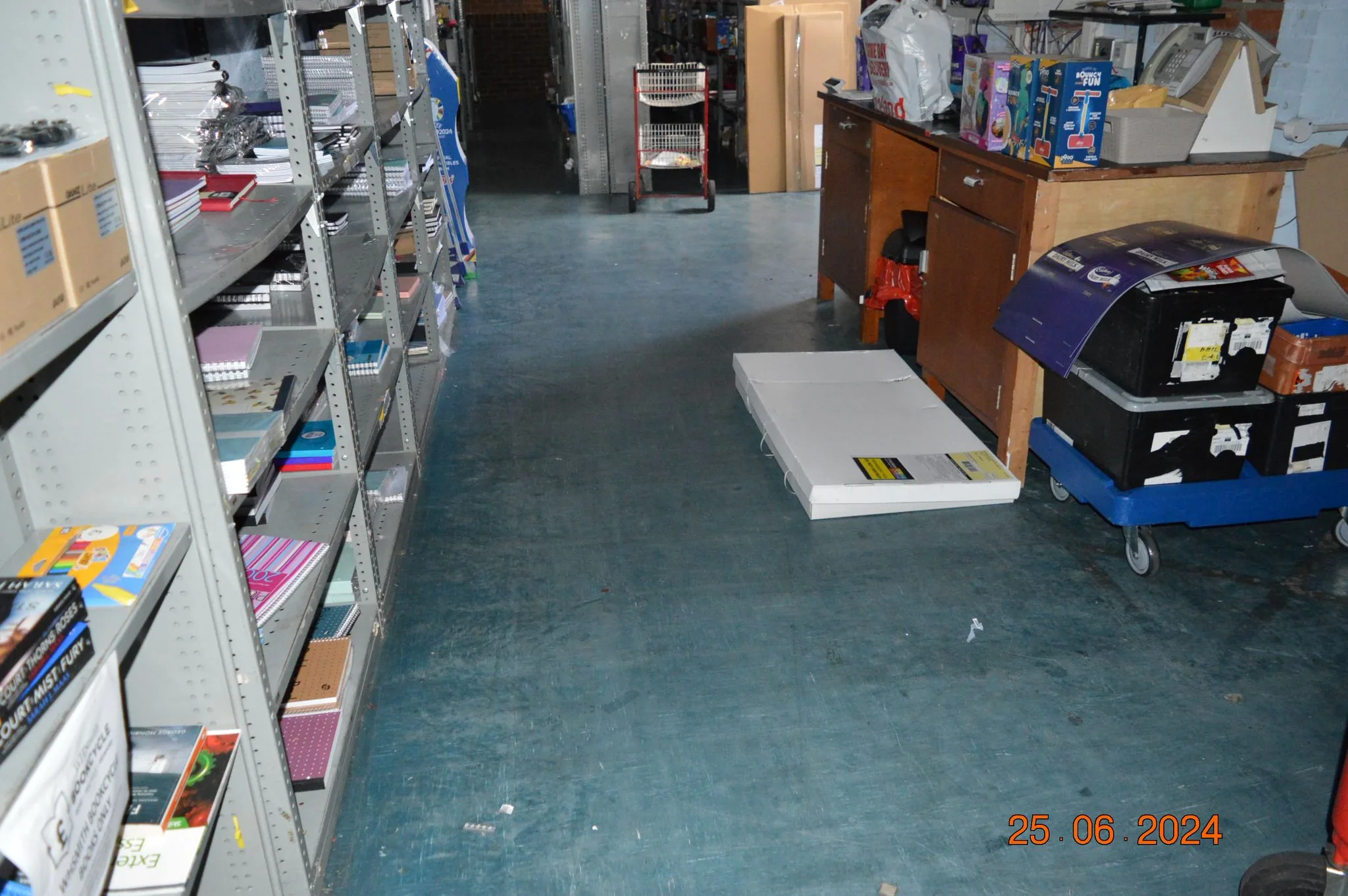
Vinyl asbestos tiles (VAT) and thermoplastic tiles were manufactured extensively from the 1950s through the mid-1980s for residential, commercial, and institutional buildings. These 9"-9" or 12"-12" tiles offered durability, water resistance, and fire safety at competitive prices, making them ubiquitous in kitchens, bathrooms, hallways, and commercial spaces. The tiles themselves contained chrysotile asbestos as a filler and binder, typically 10-25% by weight.
Visual identification characteristics include standard square formats (rather than modern rectangular planks), relatively thin profile (2-3mm), and brittle, inflexible consistency compared to modern vinyl tiles' flexibility. Older tiles often show characteristic aging patterns-yellowing, surface checking (fine cracks), or edge lifting. Tile colours and patterns reflecting 1960s-1980s design aesthetics (bold geometric patterns, muted earth tones, or speckled appearances) strongly suggest asbestos content.
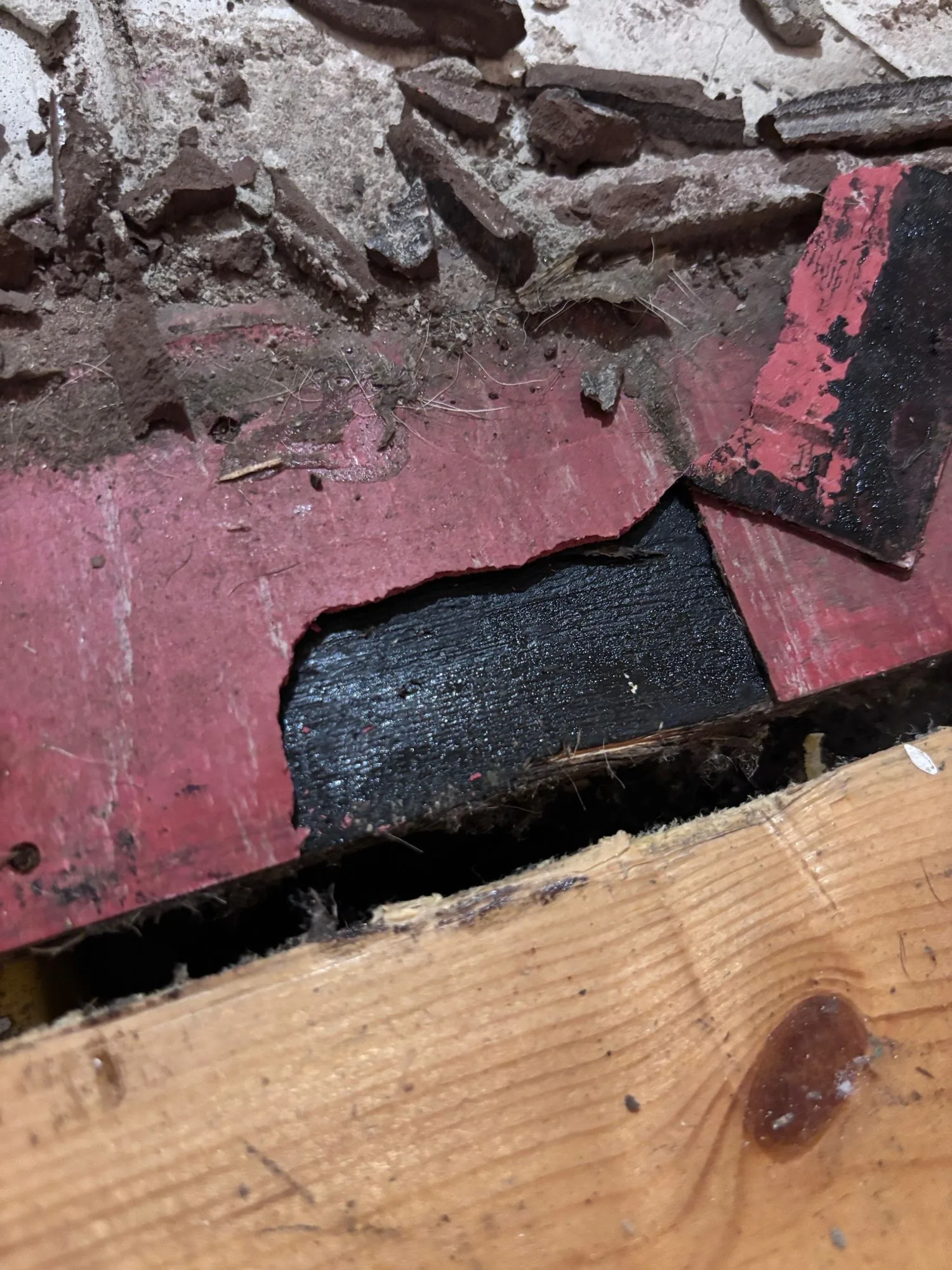
The adhesive beneath tiles creates equal or greater concern. Black bitumen mastic, widely used for tile installation through the 1980s, frequently contained asbestos fibers (typically 5-15% by weight) providing heat resistance and structural reinforcement. This thick, tar-like adhesive often remains bonded to the underlying concrete or wooden subfloor after tile removal, requiring separate treatment.
Testing is essential for definitive identification-visual assessment alone cannot confirm asbestos presence or absence. We collect tile and adhesive samples for UKAS-accredited laboratory analysis providing certainty before developing removal strategies and cost estimates.
Removal Methods and Regulatory Classification
Asbestos floor tile removal is classified as non-licensed work under Control of Asbestos Regulations 2012 provided tiles are not extensively broken or degraded. However, this classification carries significant regulatory requirements including written risk assessments, appropriate respiratory protection, contamination control, and compliant waste disposal-it absolutely does not mean DIY removal is safe or legal.
Our removal methodology prioritises keeping tiles intact to minimise fiber release. We lift tiles using floor scrapers and pry bars applied carefully to avoid shattering. Intact tiles undergo minimal fiber release compared to broken fragments. Tiles lift into heavy-duty rubble sacks in manageable loads (typically 15-20kg per sack to maintain safe manual handling limits). Each sack receives asbestos warning labels before removal from the property.
Operational procedures include thorough floor wetting before commencing removal-water with added surfactant prevents fiber mobilisation from disturbed adhesive. The work area undergoes access restriction using barrier tape. Operatives wear minimum FFP3 respiratory protection and full disposable coveralls throughout operations. We HEPA vacuum the exposed subfloor after tile removal to capture residual dust and fiber contamination before adhesive treatment decisions.
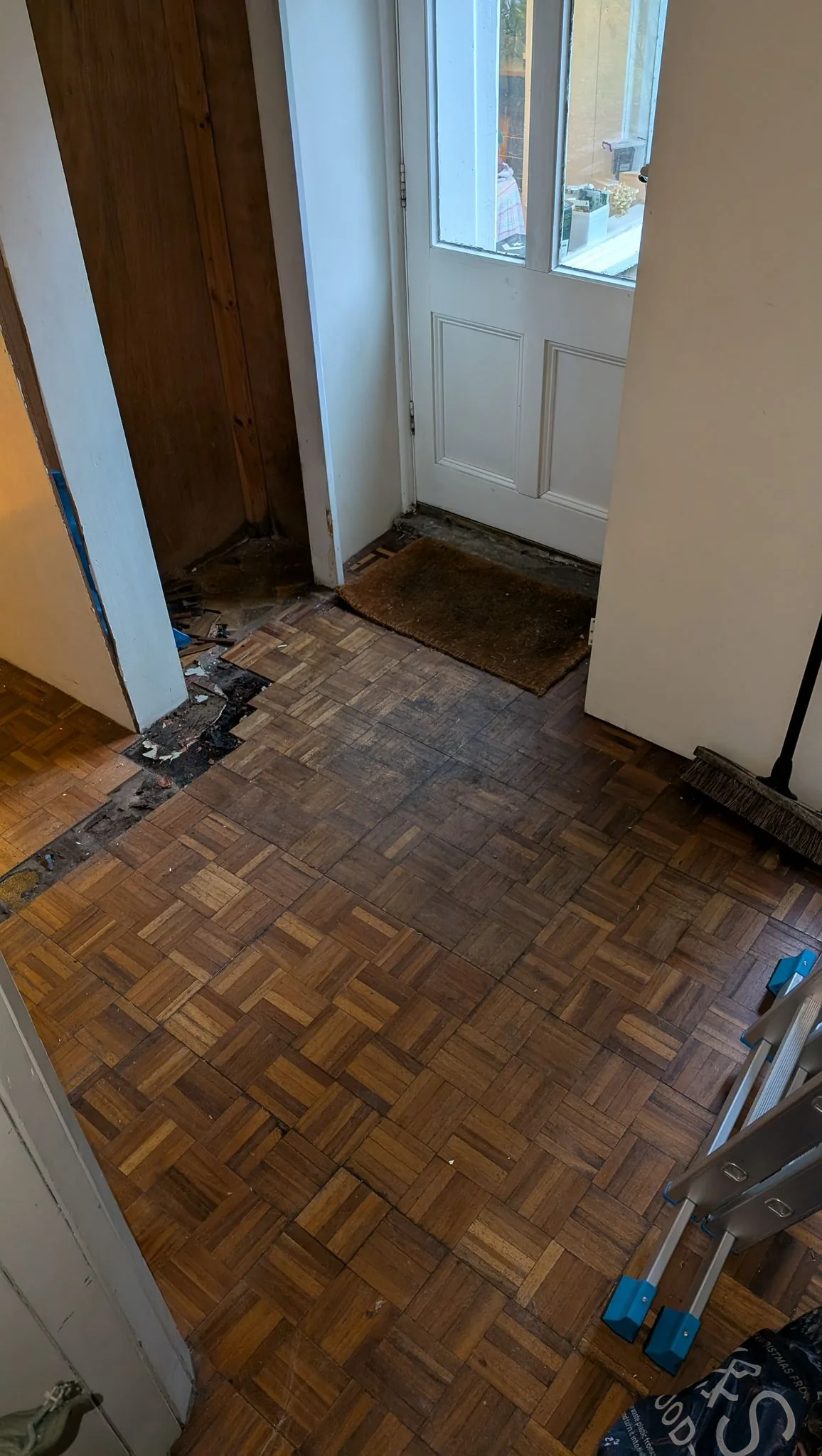
The underlying subfloor condition significantly influences project scope and cost. Smooth concrete slabs may have minimal adhesive residue requiring only HEPA vacuuming and damp wiping. Heavily contaminated surfaces with thick bitumen layers require additional remediation-either complete adhesive removal or surface encapsulation (discussed below).
Bitumen Adhesive Treatment Options
Complete adhesive removal provides a clean substrate for new flooring but significantly increases project cost and disruption. Removal methods include mechanical scraping (labour-intensive, dusty), chemical stripping (specialist adhesive solvents applied then scraped, creating fume exposure concerns), or floor grinding/scarification (creates enormous dust quantities requiring full containment and continuous HEPA filtration). All methods generate substantial asbestos waste requiring licensed disposal.
For concrete substrates, mechanical removal may damage the surface requiring subsequent floor levelling with self-levelling compounds before new flooring installation. Wooden subfloors contaminated with heavy bitumen application sometimes require complete board replacement as adhesive penetrates the timber grain making removal impractical.
Encapsulation offers a pragmatic alternative reducing cost and disruption. After tile removal and HEPA cleaning, we apply specialist encapsulant coatings (typically two-part epoxy systems) directly over residual adhesive. These sealants permanently bind asbestos fibers preventing future release. The encapsulated surface provides a suitable substrate for new flooring installation-vinyl planks, engineered wood, or carpet underlayment lay directly over sealed bitumen.
Encapsulation requires proper surface preparation (HEPA vacuuming, degreasing if necessary) and adequate adhesive stability (loose or flaking adhesive requires mechanical stabilisation first). The sealed surface must remain undisturbed-future renovation work penetrating the encapsulant (drilling, cutting, or heavy abrasion) could disturb underlying asbestos requiring professional intervention. Property documentation should note the encapsulated asbestos presence for future owners' awareness.
Cost considerations heavily favour encapsulation: tile removal plus encapsulation typically costs -20-35 per square metre, versus -40-70 per square metre for tile removal plus complete adhesive remediation. For large floor areas (100m-+), this difference amounts to thousands of pounds. Most domestic clients choose encapsulation unless specific circumstances (planning underfloor heating installation, addressing significant adhesive degradation) necessitate complete removal.
Project Planning and Building Occupancy
Floor tile removal allows continued building occupancy with appropriate controls. We isolate work areas using polyethylene sheeting barriers and implement negative air pressure (using filtered air extractors) preventing fiber migration to occupied spaces. Door seal systems with zippered access allow controlled entry/exit without breaching containment.
Work typically proceeds room-by-room for occupied properties, allowing residents to use unaffected areas normally. Kitchen and bathroom tile removal requires temporary alternative arrangements (using upstairs facilities, external toilet facilities for single-bathroom properties, or coordinating work during planned absences). We provide realistic timeframes allowing proper planning-typical single room (15-20m-) tile removal takes 1-2 days depending on tile condition and adhesive treatment requirements.
Furniture and fittings require temporary removal from work areas. We can provide basic removals assistance (disconnecting/reconnecting appliances under client supervision) but recommend professional furniture removal services for valuable or heavy items. Kitchen unit removal for tile work beneath cabinets adds significant complexity-many clients choose to leave tiles beneath fixed units if future kitchen replacement is planned within reasonable timeframes.
Waste Disposal and Documentation
Asbestos floor tiles and contaminated adhesive require disposal as hazardous waste under Hazardous Waste Regulations 2005. All waste receives consignment notes documenting origins, carrier details, and disposal facility. We transport waste directly to licensed asbestos disposal facilities-the waste never enters standard construction skips or waste transfer stations.
Volume calculations for waste disposal pricing use conservative estimates accounting for packaging materials, contaminated coverings, and disposable PPE. Tile waste is relatively dense (unlike lightweight insulation), so disposal costs per square metre are moderate but should be factored into overall quotations. We provide clients with disposal certificates confirming legal compliance-essential documentation for property sales or future renovation planning applications.
Why Professional Removal Matters
DIY asbestos tile removal creates several critical risks beyond asbestos exposure itself. Tile breakage during amateur removal significantly increases fiber release compared to professional controlled removal. Using standard construction waste disposal (hiring skips, using household waste collection) for asbestos materials is illegal and creates prosecution liability under Environmental Protection Act regulations.
Inadequate respiratory protection (using dust masks rather than proper asbestos-rated respirators) provides false security while allowing dangerous exposure. Fiber contamination spreads throughout homes via clothing, shoes, and ventilation systems when proper containment and decontamination procedures aren't implemented. Family members, particularly children, face exposure risks from contaminated living spaces.
Professional removal provides proper risk assessment, appropriate respiratory protection and containment, controlled removal minimising fiber release, legal waste disposal with required documentation, and public liability insurance coverage. The cost difference between attempting DIY work (factoring in equipment hire, waste disposal problems, and exposure risks) and professional service makes professional removal the only rational choice.
Get a Free Assessment and Quote
We provide free site surveys including tile sampling, adhesive assessment, and detailed written quotations covering both full removal and encapsulation options to help you make informed decisions.
Request a free assessment